Avoiding Common Customs Clearance Pitfalls in Global Trade
Aug 25, 2025
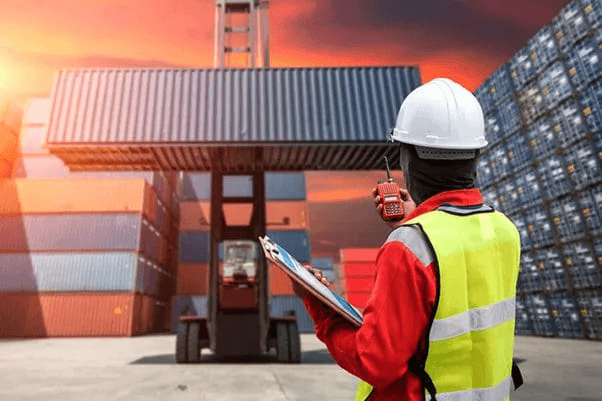
Passing through customs clearance is like walking through a maze—full of hidden pitfalls, surprise twists and turns, and impending fines. But with insight, precision and proactive temper, such hazards can be converted into collected gateways that keep your international commerce on track.
The Documentation Dilemma
The one most widespread reason for hiccups with customs would be incomplete or erroneous paperwork. Imagine sending valuable goods overseas, only to have them stalled because the description reads “electronics” instead of “portable lithium‑ion battery packs.” Customs officials require clarity – what, how much, why and where from – because any ambiguity can result in investigations or even refusal.
This is why all cargoes must be shipped along with properly completed records: commercial invoice, packing list, bill of lading or airway bill, certificate of origin and (in cases of necessity) permits or licences. Make sure that the declaration of values are not too low and misleading or too overstated. Any errors in this area call out warranties of delays or fines.
Classification Confusion: The HS Code Challenge
Classification of merchandise is a costly erroneous oversight. Misdelivery of the incorrect Harmonised System (HS) code may cause wrongful duties, examination or confiscation. An example is digital cameras and industrial machinery that assume certain HS codes and attract huge differentiation of tariffs. It is imperative that the proper classification is double checked with suppliers, customs specialists, or automation solutions when it comes to more subtle products.
Inspections and Peak Season Snags
Shipments can be slowed drastically by such customs clearance inspections, particularly at random. There is a sharp increase in rates of detection at peak seasons. The affluent customers could have the pinch in the form of seizures, retentions and even returns. Increase accuracy of description, make packaging match destination standards and talk to your transportation partner about the requirements of the peak season.
Avoiding Costly Shortcuts
Even in situations where it is tempting to under-perform or misclassify to save the costs, the benefit of risks usually surpasses the savings. Valuation fraud and other schemes like origin washing can be a temporary way around tariffs, but they expose you to criminal charges with serious penalties should you be found out, which is not a smart long term plan.
Duty, Taxes, and Who Pays
It is important to determine who gets to bear responsibilities; that is, Delivered Duty Paid (DDP) or Delivered Duty Unpaid (DDU). A clear communication with buyers as well as the customs reflects that there are no surprise bills at the border. It also helps to calculate duties in advance and confirm payment procedures ahead of time to avoid holds.
Partnering with Experts: Brokers, Carriers, and Tech
It is said that time is money, but knowledge is invaluable. Formidable customs brokers and freight forwarders are knowledgeable guideposts as they navigate the bureaucratic maze. They manage documentation as well as checks, hs classification, oversee inspections, and keep up with the policies changes.
A good number of businesses also experience the advantages of using the customs management software or electronic filing program which minimises errors of humans and produces faster submissions. Not to mention, in times of changing regulations, strong partners with well maintained compliance tools and insider information can be a game-changer.
Wrapping It Up: A Final Checklist for Customs Success
Check twice the documents and the description as well as values to be precise.
Confirm HS codes- if it is not specific enough, you risk misclassification.
Know the rules and changes relating to a destination flyer especially when it comes to post-Brexit rules or under changing policies.
Wise packaging and preparation would help curb risks of inspection, particularly during busy seasons.
Be truthful–skirting the rules is deemed to be less costly, however, it will prove to be expensive in the long term.
Make it clear as to who pays the duties and taxes.
Use specialists–leverage reputable brokers, technology and partners to make your process smooth.
You can think ahead about the typical issues that can arise in customs clearance and put these top practices in place to remove complicated obstacles and turn them into easy roads. Preparation in international trade does not only prove beneficial, it is a necessity.