How Professional Cargo Transportation Services Reduce Supply Chain Risks
Feb 16, 2026
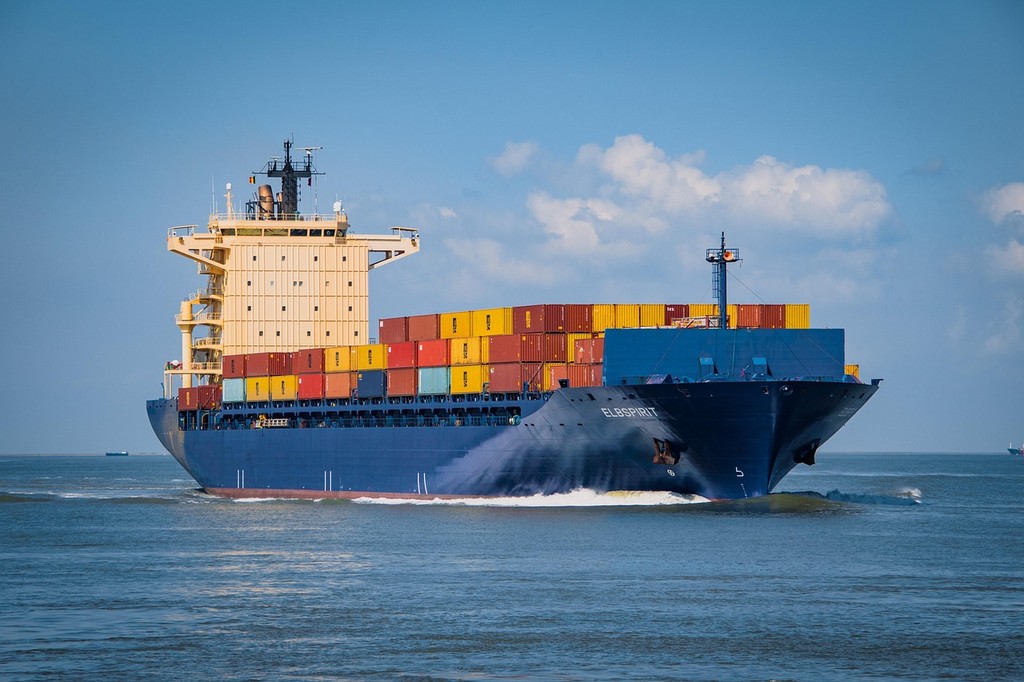
Supply chains today are more interconnected — and more fragile — than ever before. A late delivery of shipment in a single port will affect the production lines thousands of miles away. An error in customs can result in blocking of inventory. An unmanageable cargo load can translate into losses in terms of money and broken client relationships. Risk management is no longer a luxury in this high-stakes environment as it is a must.
This is where professional cargo transportation services play a critical role. On top of merely transporting goods between point A and point B, expert logistics service providers are risk mitigators, strategic planners and safeguards in operation. They bring organization, transparency, and contingency to the supply chains that would be easily interrupted otherwise.
Let’s explore how professional cargo transportation services considerably decrease the risk of the supply chain and ensure the continuity of the business.
Minimizing Transit Delays
Delay is among the greatest dangers of global logistics. Delays may have a ripple effect due to the poor choice of routes, the congestion of the port, or inappropriate documentation.
The professional cargo transportation services use advanced planning tools, systematized routing, and developed relations with carriers to make sure that the shipments pass successfully. They minimize the occurrence of disruptive events that are expensive to handle by predicting the bottle necks and providing other paths of departure in case they arise.
In addition, seasoned providers can be aware of regional infrastructure and regulatory landscapes, preventing them from getting into trouble ahead of time.
Enhancing Cargo Security
Theft, breakage, and mishandling of cargo are still a thorn in the flesh of the transportation process. Pharmaceuticals, high-value goods, electronic products, and perishable goods are products that demand specialized handling and safe transportation conditions.
Trusted cargo transportation services have high security systems that comprise of the GPS tracking, tamper resistant seals, safe warehousing and real-time monitoring of shipment. This does not only secure goods physically but also gives businesses transparency and tranquility during transit.
Further mitigation measures include the use of advanced risk management techniques, like route risk management and vetted transportation operators to decrease theft or loss.
Ensuring Regulatory Compliance
Regulations of customs, trade documents and international shipping regulations can be complicated and dynamic. Compliance mistakes may attract fines or the seizure of cargo or a prolonged storage cost.
Professional cargo transportation services keep abreast with the local and international trade needs. They also complete customs documentation properly, deal with permits and make sure that all regulatory processes are taken into account. Their competence minimizes delays and losses to businesses in terms of legal and financial fines.
This knowledge is an overriding factor in places where the rules of importing/exporting are harsh.
Enhancing Supply Chain Visibility
One of the least estimated risks of the supply chain is lack of visibility. Without proper tracking, businesses will find it difficult to predict timing of delivery, maintain stocks or handle any unforeseen occurrences.
The current cargo transport services use digital platforms, real-time tracking and data analytics to deliver end to end visibility. Companies are able to track the process of shipment at each step and to receive warnings regarding the possible delays as well as to make pro-active decisions instead of reactive decisions.
Such transparency enhances the coordination of suppliers, distributors and customers- finally making the whole supply chain stronger.
Diversifying Transport Options
The use of one mode of transport or route makes one vulnerable. It can be stopped by political unrest, severe weather conditions, strikes, and damage to the infrastructure.
The services of such professional cargo transportation include multimodality or combination of sea, air, road, and rail transportation depending on the aspects of urgency and cost. This flexibility will guarantee that in case of a disruption in one route, alternative routes will be enabled within a very short period of time.
Diversification helps it to decrease risks of dependency and guarantees continuity in operation.
Strengthening Risk Management Planning
Unforeseen circumstances — world pandemics or geopolitical turmoil — has proved how vulnerable supply chains are. Companies which have the simplest transport organization tend to falter in case of emergencies.
Established cargo transportation companies incorporate contingency plans in their business operations. They evaluate the exposure to risk, establish backup strategies, and have strategic alliances in regions. This proactive strategy is beneficial in the response of the companies to acute disruption.
Risk mitigation is not about reacting, but doing so in advance.
Reducing Financial Exposure
The impact of supply chain disruption has a direct effect on revenue, operating expenses and customer relations. Failure to meet due dates can result in fines, shutdowns or contracts.
The businesses can reduce expensive surprises by cooperating with trusted cargo transportation services. Effective routing saves money on fuel costs, compliance costs avoid oil fines, and real-time tracking eliminates storage fees.
Such an organized system, in the long run, results in more financial stability and predictability of the performance of the logistics.
Conclusion
Global trade is becoming a highly dynamic place and supply chain risks are inevitable, however, they can be addressed. Professional cargo transportation services do far more than transport goods. They are secure, compliant, and real-time and strategically resilient.
Transformation of the transportation as a weakness into a competitive advantage, businesses invest in experienced logistics partners. In the current volatile market, risk reduction is not only about avoiding loss, but rather, it is about creating a solid supply chain capable of withstanding the threats and developing it in a manner that it responds to changes and develops.