NVOCC vs Bunkering: Terms You Should Know Before Shipping Goods
Nov 30, 2025
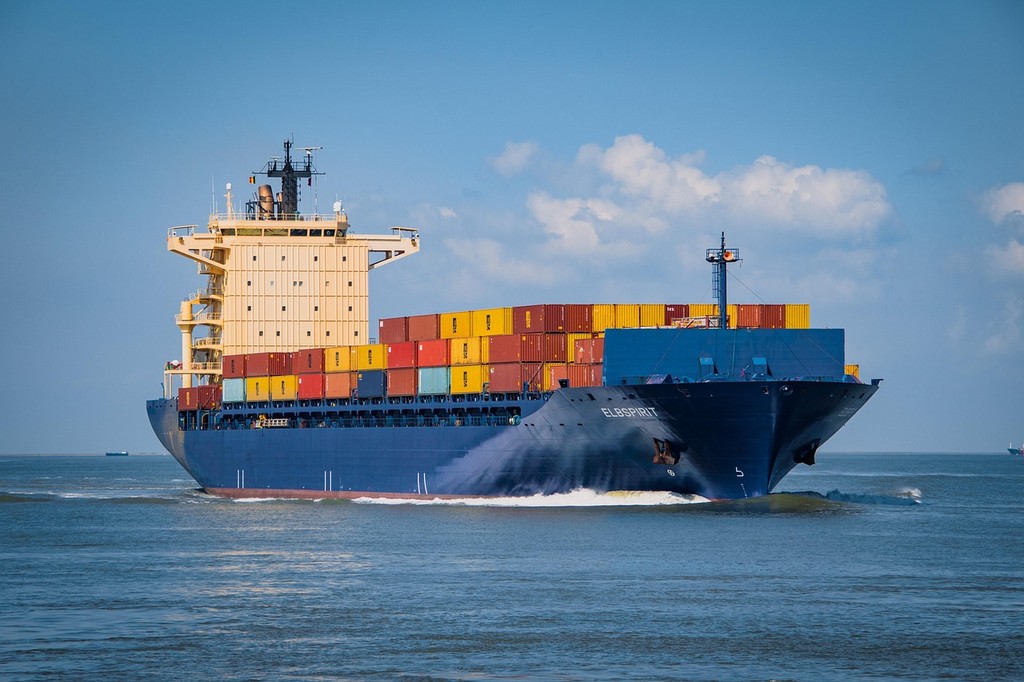
Today, we live in a world where everything is connected. Over 80% of international goods are shipped by sea, which drives global trade. As the logistics industry grows and goods are always being moved, it's important to know two common shipping terms: NVOCC and Bunkering. People who are new to global trade often get these terms mixed up. While both are essential to maritime operations, understanding NVOCC vs Bunkering and their roles in the international market can save you from costly mistakes and help you manage your operations more effectively.
Meaning of NVOCC
A Non-Vessel Operating Common Carrier (NVOCC) is a company or agency that functions as a shipping middleman without owning the vessel or the container. The company doesn't own the ship or the containers; it buys space on a ship to store its cargo. NVOCC is a new way of shipping that saves businesses a lot of money by not having to buy their own ships. Instead, businesses can buy as much cargo space as they need and save money by not spending more than they need to.
An NVOCC is like a wholesale buyer of shipping space in simple terms. They keep strong ties with a number of shippers to get the best shipping rates, take care of all the paperwork, and offer full logistics services. With this shipping model, businesses of all sizes can ship internationally at prices that won't break the bank.
NVOCC is a legal and safe practice, as they issue their own Bills of Lading (lading means “loading cargo onto a ship”) and take full legal responsibility for the cargo. Many countries also offer licenses to operate as an NVOCC.
Meaning of Bunkering
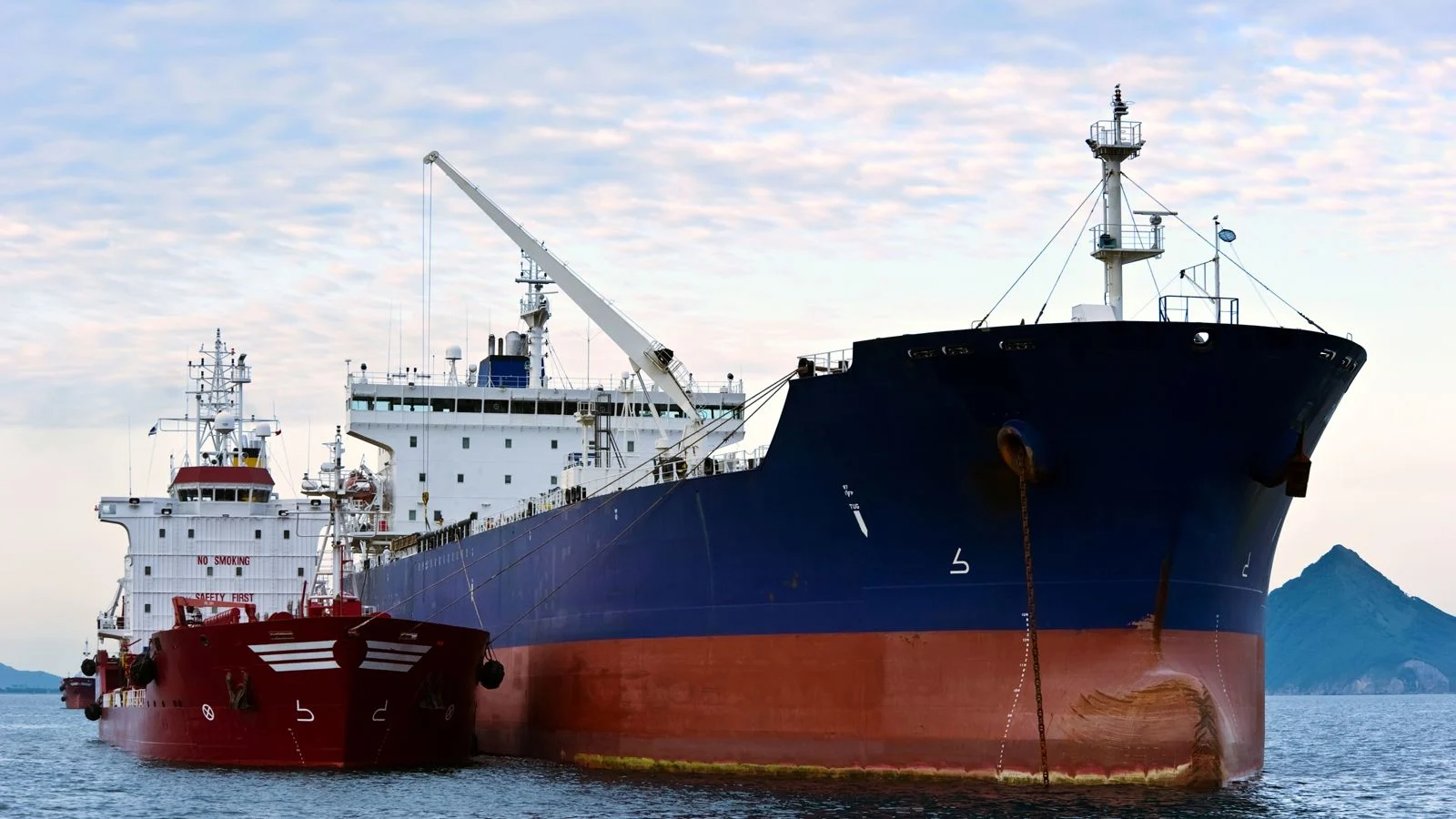
Bunkering is a completely different maritime operation. It is not related to cargo or shipment but refers to the process of supplying fuel to ships. Here, the term “bunker” refers to the fuel that powers a vessel’s engines and machinery. It is an old term used since the days of steamships. Today, ship operators use a variety of petroleum products as fuels.
Bunkering isn't a part of the shipping process, but it does help it by making sure ships are well-fueled. When it works, it usually goes through three steps: getting ready (checking safety and equipment), doing the job (the actual fuel transfer), and wrapping up (checking the amount and writing it down).
Today, there are three ways to deliver bunkers: from shore terminals to ships via pipe, from ship to ship via ship, and from truck to ship at docks. The Port of Singapore is the largest bunkering port globally, recording bunker fuel sales of 51,824,000 tonnes in 2023 showcasing the enormous scale of these operations.
Key Differences Between NVOCC vs Bunkering
Understanding the key differences between NVOCC and Bunkering is important to determine what should be used for which purpose. An NVOCC is a middleman in the shipping business who handles the logistics of moving cargo around the world. Bunkering, on the other hand, is how ships get fuel so they can keep going. These are not services that compete with each other; they are all different parts of shipping by sea.
NVOCCs handle the movement of cargo from origin to destination, handling everything in between, from documentation to the safe delivery of goods. Their clients are shippers who need to transport goods across borders. Bunkering, on the other hand, is only involved in supplying fuel (mainly petroleum products) to vessels, with ship operators and vessel owners as the primary clients.
There are big differences between regulatory frameworks. Even though both are legal operations that the government allows, they are regulated by different groups. Out of NVOCC vs Bunkering, only NVOCCs get licenses from maritime authorities and follow all shipping rules. The oil and gas industry has rules about bunkering, and there are also laws that protect the environment that set standards for fuel and emissions. NVOCCs also give out Bills of Lading, which show who is in charge of the cargo. Bunkering transactions include agreements for fuel supply and delivery notes to keep track of business correctly.
Things People Get Confused About
Not knowing maritime jargon is often what causes the confusion between NVOCC vs Bunkering. People often assume that hiring an NVOCC includes bunkering services alone, but your NVOCC only handles your goods from point A to B. Bunkering on the other hand, is managed by the vessel operators on their own. The breakdown you see in shipping costs may include a fuel section, but this reflects fuel prices through bunker surcharges. It doesn't mean you're buying bunkering services for your shipment directly. People also wrongly think that bunkering companies can ship cargo. Bunkering companies are only allowed to give fuel to ships; they can't arrange container transport or issue Bills of Lading. Some people may think that NVOCC vs Bunkering is a choice between two options, but it isn't; these are two completely different services that play different roles in the maritime ecosystem.
Global Acceptance and Real-World Scenarios: NVOCC vs Bunkering
NVOCC vs Bunkering are both services that are used all over the world because they are essential to the maritime industry. A recent study found that the global bunker fuel market was worth $126.1 billion in 2024 and is expected to be worth $192.2 billion by 2034. This shows how big the bunkering business is. It makes sense that every commercial ship needs bunkering services, which are essential to maritime operations. Some of the most important global hubs are Singapore, Rotterdam, and Fujairah. All of these cities are located along important shipping routes.
Small and medium-sized businesses that want to ship goods internationally often choose NVOCCs. NVOCCs are used by many well-known companies today to ship things safely, quickly, and without any problems.
When to Choose What Out of NVOCC vs Bunkering
The question "when to choose what" reveals a fundamental misunderstanding, as you don't choose between the two, as they serve entirely two different functions. Here, you understand where you need the two for a better understanding while planning international shipping of Goods.
You need an NVOCC when shipping cargo globally but lack the volume, expertise, or resources to work directly with major carriers. Small and sometimes medium-sized businesses export with less-than-full container loads, so they need a way to save money and the hassle. An NVOCC saves you from that hassle and allows you to save big on the shipments.
You need bunkering services when you are a ship operator responsible for keeping vessels fueled. For cargo shippers, you never directly "choose" bunkering services; that's the vessel operator's responsibility. However, bunkering costs affect your shipping prices through fuel surcharges and bunker adjustment factors.
Conclusion
NVOCC vs Bunkering is not about choosing one over the other, but understanding the two in detail and when you need NVOCC services and Bunkering operations. These two terms are important in maritime transportation and global trade.