Why Inland Logistics Is Critical for Seamless End-to-End Supply Chain Operations
Mar 23, 2026
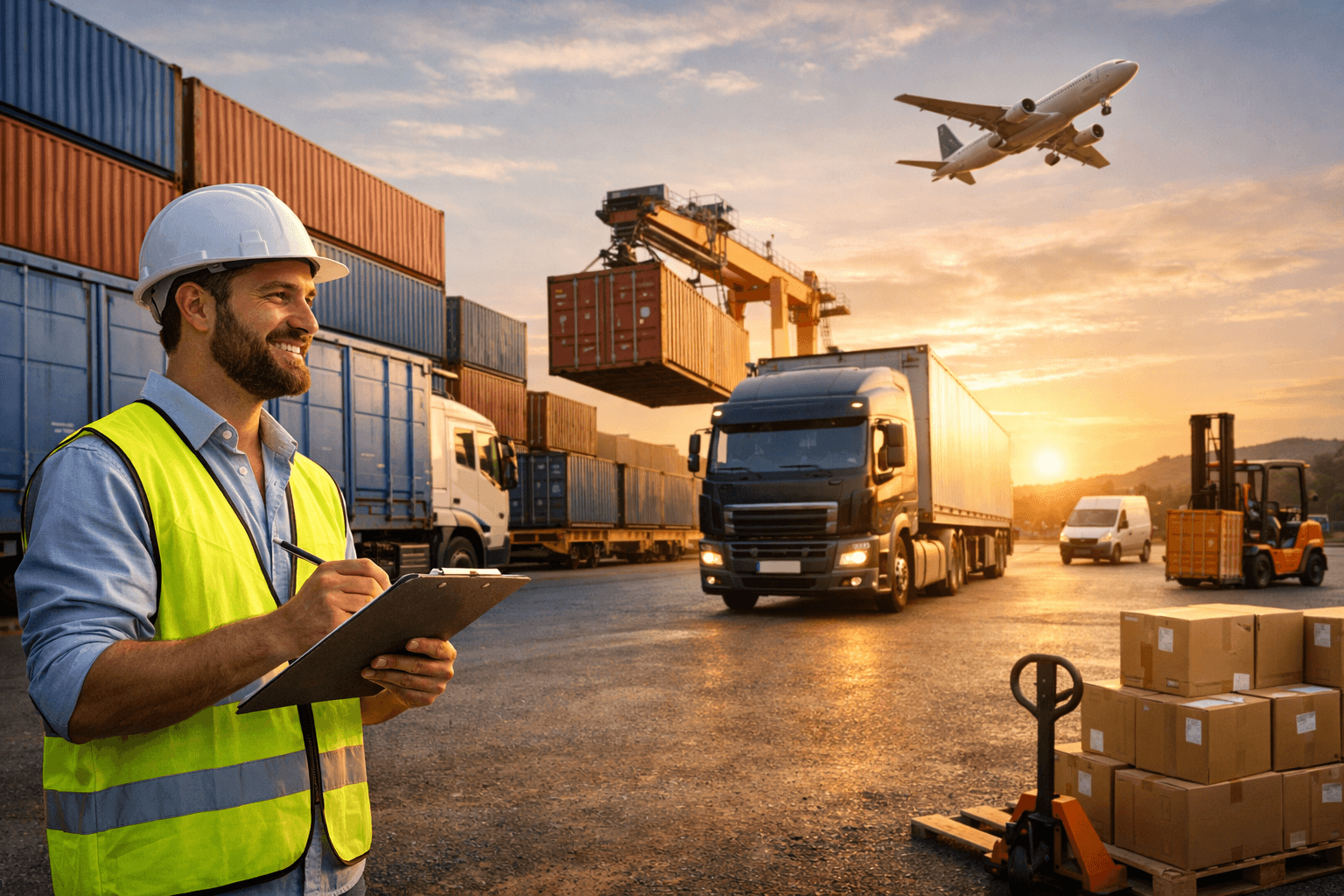
A shipment does not stop at the port, in many senses it is the commencement of its work. Containers can be in world-class terminals, and until these containers move effectively beyond the port gates, the supply chain grinds to a halt. Critical and generally under-rated, this step is driven by inland logistics.
In the modern globalized trade world, companies are no longer competing over the products, but they compete over the speed, reliability and efficiency of delivery. And this is port-to-port logistics, the key to this performance, the connection between ports, warehouses, distribution centres and, finally, customers. Without it, the most sophisticated global shipping networks would not be able to bring results on the ground.
What Is Inland Logistics?
Inland logistics is the transportation of goods inside a country and is normally between ports and inland destinations like warehouses, factories, or retail stores. This involves transportation by road, rail and in some cases inland waterways and coordination of storage, handling and distribution.
Contrary to international shipping, where the emphasis is laid on the movement across the border, inland logistics ensures that the final leg of goods is performed effectively - which is why it constitutes an essential part of the entire supply chain.
Bridging the Gap Between Ports and Markets
Ports are exit and entry points not the destination. The true value of goods is achieved as they enter factories, retailers or consumers. Here inland logistics plays a defining role.
Effective transport on land means that the goods can be transported fast through the ports that are overcrowded, which saves people on dwell time and extra expenditures. It is either the transportation of raw materials to manufacturing units or the finished products to the distribution centers. Inland logistics fills the gap between the global trade and local markets.
Enhancing Supply Chain Visibility
Visibility is one of the largest problems of the present logistics. Whereas tracking of shipments is possible over oceans, most companies lose track of them after they enter the inland network.
Inland logistic systems have advanced to use GPS tracking, digital platforms, and real-time data sharing that introduces end-to-end visibility. Businesses are able to track shipment status, predict delays, and take informed decisions and all of these will lead to a smoother operation and improved customer service.
Reducing Bottlenecks and Delays
Even the whole supply chain can be disrupted by delays in inland transport. Cargo movement can be slowed down by traffic jams, bad infrastructures, inefficiency in customization and lack of coordination.
The inland logistics network will reduce these risks through a well-organized network by reducing routes, enhancing communication among stakeholders, and taking advantage of multimodal transport opportunities. Companies may minimize bottlenecks to guarantee a shorter delivery time and supply chain continuity.
Supporting Cost Efficiency
Logistics expenses are largely composed of transportation costs. Poor internal transportation can also cause increased consumption of fuel, high labor expenses and fines due to late deliveries.
Streamlined inland logistics assists companies in cutting expenses through better shipment planning and consolidation, as well as the selection of the most efficient transportation methods. Companies in areas that have good road and rail accessibility can reduce operational costs by a great margin without compromising on the services being offered.
Enabling Last-Mile Delivery Excellence
Last-mile delivery is the last component of the supply chain, which is sometimes most crucial in customer satisfaction. Any delay or mistake during this phase may have a direct effect on brand reputation.
The inland logistics facilitates the transportation of goods between distribution centers and their ultimate destination. It could be done by having the products delivered to retail stores or directly to the consumers, but either way, efficient inland operations are central to the achievement of delivery expectations in the modern fast-paced market.
Strengthening Regional Trade and Economic Growth
Inland logistics is critical in the development of the economy beyond the individual business. Well organized transport systems facilitate easier movement of trade, boost industrialization and generate employment opportunities in various industries.
The nations and areas which invest in robust inland logistics infrastructure, such as highways, rail networks and logistics hubs, become competitive participants in global trade. This does not only increase exports but also foreign investment.
Conclusion
Inland logistics is the key that drives supply chains outside the port in a large-scale world of global trade. It links global transportation and domestic distribution, visibility, and efficiency, making businesses deliver on their promises.
With more complicated supply chains and with customer expectations ever-escalating, investing in efficiency in inland logistics is no longer optional, but a necessity. Organisations that ensure this very important connection will not merely save time and money but will also have an advantage in a market that is becoming more and more challenging.
